
Or: What Forbes Accidentally Got Right About Power, Gender, and Who Should Be in Charge
I’m careful with the word sissy. In much of the kink scene it’s a loaded term, and not always in ways that serve women. Too often, it trades on the idea that femininity is humiliating when applied to men, that submission is a form of failure, and that women exist as props in a male shame-loop rather than as sovereign subjects. That version of the fantasy does nothing to dismantle patriarchy; it simply dresses it up in stockings. That is not my work.
When I use the word sissy here, I use it deliberately, provocatively, and with clear intent: not to eroticise the degradation of women, but to expose how brittle conventional masculinity really is. What interests me is not men becoming “less,” but men becoming precise—men who can kneel by choice, yield without disappearing, and orient themselves cleanly to female authority without parody or resentment. In that sense, sissy becomes a challenge rather than a caricature: a refusal of noisy dominance, a rejection of entitlement, and an invitation into a form of power that does not need to posture. Framed this way, the word stops being regressive and becomes diagnostic. It tells me who is ready to grow, and who is still playing dress-up with patriarchy.
Let me start with something deliciously ironic.
Forbes. Yes, that Forbes. “The Capitalist Tool.” The glossy mouthpiece of capitalism, power lunches, and corner offices.
A few years ago, they ran an article with the headline:
“Androgyny: An Emerging Trend in Leadership.”
I nearly choked on my coffee. Because if you’ve spent any time in my world, you already know this:
the people who make the best leaders are not the loudest, the hardest, or the most aggressively “alpha.” They’re the ones with range. They’re the ones who can listen and decide. Yield and command. Hold authority without puffing their chest or swinging it around like a blunt instrument. In other words: the very people society loves to mock as sissies.
Power Isn’t What You Think It Is
For decades, leadership has been sold as a performance. Sharp suits. Hard edges. Certainty at all costs.
That worked—briefly—in a slower, simpler world. Not anymore.
Today’s leaders are navigating fragile egos, global reach, complex teams, reputational landmines, and constant change. Charging ahead without reading the room isn’t strength—it’s incompetence.
The people who succeed are the ones who can:
- notice when the energy shifts
- feel resistance before it becomes revolt
- pause without freezing
- act without posturing
That’s not softness. That’s skill. And yes, those skills are exactly what many men are trained not to develop.
Why the “Sissy” Has an Advantage
The so-called sissy has already done the work most executives avoid: work that many women will recognise instantly from their own lives. They’ve learned to sit with discomfort. They’ve had their identity questioned. They’ve been forced to read people carefully, because getting it wrong has consequences.
They know how to surrender without disappearing. They know how to follow without losing themselves. They know that control is far more effective when it’s chosen.
That’s not weakness. That’s leadership training.
Women Didn’t Get Better at Leadership—They Were Trained Into It
Women didn’t suddenly “get good” at leadership. They were pushed into it sideways.
- Holding authority while being liked.
- Speaking firmly without being called cold.
- Managing emotion, their own and everyone else’s, without losing momentum.
That constant balancing act? It builds extraordinary capacity.
Which is why organisations with women in charge keep outperforming the rest—financially, creatively, and operationally. Not because women are saints. But because they’ve been practising under pressure their entire lives.
What This Has to Do With Me
Late in my career, I stopped pretending power was something abstract. I became a dominatrix.
Not because I abandoned leadership—but because I refined it. In my work now, power is named. Boundaries are explicit. Consent is clear. Responsibility is non-negotiable.
People don’t come to me to be humiliated. They come to learn how to use power cleanly.
They kneel not because they are weak—but because they are precise enough to choose it. And once you’ve learned how to yield on purpose, authority becomes effortless.
The Truth, Stated Plainly
The future does not belong to the loudest or most dominant man in the room. It belongs to the one who can feel what’s happening without flinching.
It belongs to the leader who doesn’t panic when certainty evaporates. To the one who can command and receive. To the one who knows when to push—and when to wait.
If that makes you uncomfortable, good. If it excites you, even better. And if you’re curious what it feels like to experience power that doesn’t need to shout, you already know where to find me…
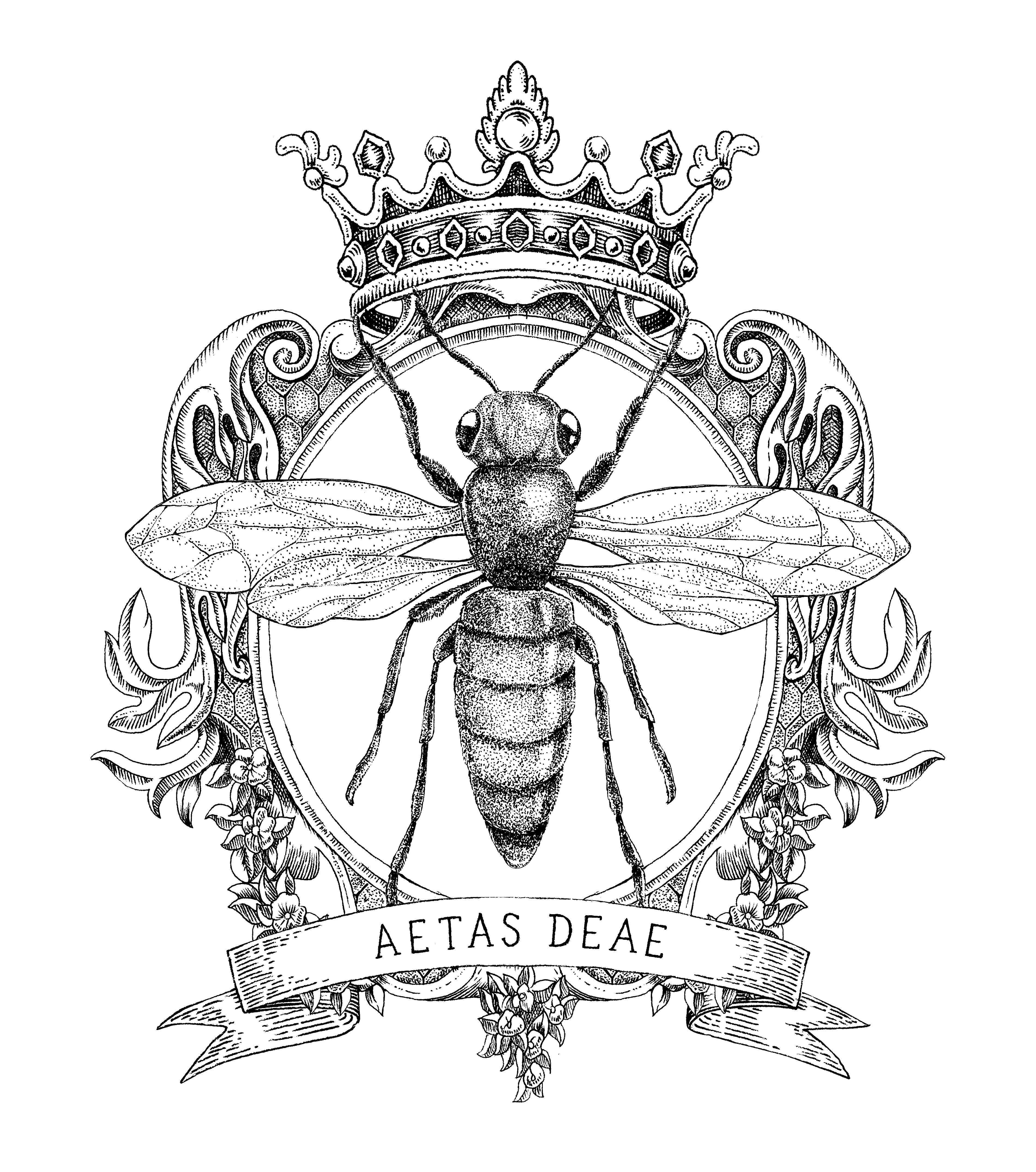
If you find yourself drawn to women who lead — not performatively, but structurally — you may recognise this orientation beyond the personal. My work sits within a broader philosophical and social framework known as Aetas Deae. It is a space for those interested in female-led relationships, female authority, and forms of community that centre women without apology. If you are a man who understands the value of orienting to that power, or a woman — on either side of the slash — who wishes to explore community with other women who lead, you are welcome to begin there: aetasdeae.org.
An Invitation
If you are here, something in you has already responded.
This is not casual booking, and it is not for everyone. I work with people who are curious, intelligent, and willing to take responsibility for what they want.
Those who wish to work with me do not request. They present themselves.
Begin here.
About Me
Mx Valentina is a feminist dominatrix, a trans and intersex woman, whose practice centres on ethical power exchange and the conditions under which lives reorganise themselves around purpose rather than shame. Her work is selective and relational, grounded in the belief that submission is not a role to be played but an orientation that must already be present. She works only with those who understand that access is conditional and authority is not negotiated. You can find my scholarly feminist writing on Substack and lighter pieces on Medium.